Traditions and Challenges XIV – The library conference at the ELTE University Library was a great success

On 27 August 2026, the ELTE University Library and Archives hosted the 14th conference entitled “Traditions and Challenges.” This year's programme featured roundtable discussions and presentations on the themes of “The Challenges of the New Library Strategy,” “Library Architecture Then and Now,” and “The Library Beyond the Collection.”

Our event attracted widespread interest, with more than 140 guests participating in our programs. The attendees were welcomed by Dr. Kulcsár Szabó Ernőné Gombos Annamária, Director General of the ELTE University Library and Archives, and Dr. Lénárd Darázs, Rector of Eötvös Loránd University.

Following the opening remarks, a brief presentation and roundtable discussion on the topic of the new library strategy took place, moderated by Gyöngyi Karácsony (Director General, University and National Library of Debrecen), with the participation of Judit Gerencsér (President of the Hungarian Librarians’ Association; Acting Director General of the National Széchényi Library), Dóra Kalydy (President of the Scientific and Special Libraries Section of the Hungarian Librarians’ Association),  Ágnes Kovácsné Koreny (Ervin Szabó Metropolitan Library, Director General), and Gábor Szeberényi (College of University Library Directors, President).

As part of the afternoon session titled “Library Architecture Then and Now,” moderated by Boda Gáborné Dr. Köntös Nelli (ELTE Faculty of Humanities, Institute of Library and Information Science, assistant professor), Anett Treszkai (Archikon Architects Kft., architect) entitled “The New Paradigm of the Library,” followed by a presentation by Szilvia Korom (BGE University Library, Library Director) and Sára Tábi (Gereben Marián Architects Ltd., architect) titled “Vision, Mapping, Use – The Architectural Evolution of the BGE Library Spaces.” In her presentation titled “Brutalist(?) Heritage,” Mónika Tompa (Director General, Central Library and Archives of the University of Sopron) explored the topic of the Central Library building at the University of Sopron. Beáta Mariann Szabóné Kovács (Director General, University of Miskolc Library, Archives, and Museum) presented the renovated facilities of the University of Miskolc Library, Archives and Museum. Rita Takács (National Film Institute – Film Archive Special Library and Documentation Collection, Library Director) gave a presentation titled “From a Film Industry Ivory Tower to a Future Cinémathèque: Opportunities for Renewal Through Renovation.” Éva Czeglédi (ProQuest, Account Manager) outlined Clarivate’s solutions for the day-to-day operations of today’s libraries. János Liebhauser (Gyula Illyés Library, Director) provided insight into the details of sustainable buildings and green library operations.

The session titled “Beyond the Collection” was moderated by Dr. Emőke Kötél (ELTE University Library and Archives, project manager). During the session, Dr. Kulcsár Szabó Ernőné Gombos Annamária (ELTE University Library and Archives, Director General) entitled “Community and Experience-Based Services at the ELTE University Library.” Next, Máté Tóth (Béla Hamvas Pest County Library, Director) sought to answer the question of where the library’s responsibilities end in his presentation on the lending of equipment, items and toys. Csilla Tóth (Director General, Széchenyi István University Library and Archives) and Ilona Kékesi (IT Librarian, Széchenyi István University Library and Archives) discussed experience-based library programs for future college students under the title “The Path to College.” Anita Nagy (University and National Library of Debrecen, Educational Support Coordinator) gave a presentation titled “Education and Learning in Partnership – A Shared Space for Development at the University of Debrecen,” followed by a presentation by Zsuzsanna Mikó (University of Miskolc – Library, Archives, Museum, Institute of Scientific Data Analysis Methodology, Institute Director) on the possibilities of library data analysis. Parallel to the section meeting, a VR demonstration led by Dániel Molnár took place during the professional day, offering a glimpse into the world of LEGO programming.

The conference was made possible with the support of the Foundation for the University Library, the Scientific and Specialized Libraries Section of the Hungarian Library Association (MKE), the Association of Information Technology and Libraries, the College of University Library Directors, Library Supply Nonprofit Ltd., Clarivate and Qulto.  Abstracts of the presentations are available on our website. The presentations from the 14th “Traditions and Challenges” Professional Day will be available in the ELTE EDIT repository, and the recordings of the presentations in the Videotorium.
Source/author of illustration:
ELTE ULA

International students on their first library visit

The ELTE University Library and Archives hosted international students on 3 September 2026 as part of the international orientation week.

The group of students had the opportunity to get a glimpse of our library’s reading rooms, our services and our community spaces designed for national and international students. Furthermore, they gained an insight into the library’s facilities and received an overview of some of the key events in the history of the 150-year-old library building and the University Library.

In addition to meeting information needs, the University Library and Archives – in line with the university’s goals and internationalisation strategy – places special emphasis on fostering multicultural relationships, meeting students’ needs, and supporting their mental well-being. As a user-centered cultural organisation, we consider it our mission to go beyond supporting education and research and to serve as an institution that builds, strengthens and develops communities, promoting the integration of international students and providing them with opportunities to connect with the local culture.

All students are welcome in our library and at our events!

Source/author of illustration:
ELTE ULA

Mosaics from ELTE’s heritage – August 2026

Artwork of the month – The Botanical Garden’s ornate filing cabinet

Among the special pieces of the Botanical Garden’s rich heritage are the archive cabinets, which, according to tradition, were donated to the university by Maria Theresa. Having served for over 250 years, this piece of furniture not only preserves the outstanding cabinet-making craftsmanship of its era, but also the memories of the history of Hungarian higher education and botany.

The filing cabinets in the Botanical Garden are among the oldest pieces of furniture in the garden and, indeed, at the university. According to historical records, these two identical cabinets, each two and a half metres high, were donated by Empress Maria Theresa to the university’s Faculty of Medicine, which was established in 1769. According to research by László Szögi, these may be the ‘little brothers’ of the monumental antique cabinet standing in the meeting room of the university’s main library. In 1777, during the relocation of the university and its botanical garden from Nagyszombat to Buda, the garden’s furniture and plant material were transported by boat to the area of today’s capital under the leadership of Farkas Kempelen. The botanical garden, dubbed the ‘wandering botanical garden’, finally settled in its current location – the Festetics Palace and its gardens – in 1847, following three further relocations. Given their origins, they were held in high esteem and were kept in the official residence and office of the respective garden directors. Thanks to this, they have been preserved in good condition.

One of the pair of cabinets was restored in the early 2000s, but a few years ago one of its doors was damaged; this was repaired in 2026 by András Kovács, a qualified restorer, with funding from the university. These cabinets housed the garden’s most important documents: plant and seed lists dating from 1788, inventory books, photographs, seals and antique signboards. Our predecessors compiled a beautiful album from the developed photographs of the glass negatives stored within, covering the period from 1846 to 1905, when the boys from Pál Street attended the Botanical Garden. Among the documents previously stored in the cabinets, one of the most valuable sets consists of letters addressed to János Arany, the Academy’s Secretary-General and then Director of the Garden. Our aim is to commission expert analysis to produce a scholarly documentation of the cabinets, clarifying their age and history. These finely crafted pieces of furniture would serve as the basis for the creation of a botanical and local history collection open to the public, which would introduce visitors to the 255-year history of the Botanical Garden, as well as the heritage of the Festetics Palace and Park spanning more than three centuries.

Written by: László Papp

Source/author of illustration:
László Papp

Quality Management Awareness-Raising Workshop

Led by the Library Council President, the University Library Service’s Quality Manager and the K21 Quality Management Coordination Committee President, an awareness-raising training session for ELTE librarians was successfully held on 16 July 2026, with nearly 20 participants.

The goal of the training was to reinforce a quality management mindset, raise awareness, and promote quality-focused operations in day-to-day work. In addition to the lectures, practice-oriented workshops provided participants with the opportunity to interactively deepen their knowledge, engage in joint discussions, exchange experiences and share best practices. Based on their feedback, employees rated the training as extremely useful and effective, noting that it greatly contributed to the development of a quality-oriented mindset and a deeper understanding of workplace processes.

Source/author of illustration:
ELTE ULA

Erasmus Staff Week at the University of Liège: Good Practices and Professional Insights

Founded in 1817, the University of Liège (ULiège) is one of Belgium’s leading public research universities, offering education and research opportunities across a broad range of academic disciplines. As part of the Erasmus Staff Week programme, Liza Németh, a staff member of the ELTE University Library and Archives, had the opportunity to gain first-hand insight into the operation of the university’s library services.

The professional visit took place from 29 June to 3 July 2026. The programme provided a comprehensive overview of the University of Liège Library’s operations. Participants learned about its organisational structure, staffing model, collection management processes, and cultural heritage preservation activities. They also gained detailed insight into the university’s Open Access and Open Science practices, as well as the related services and institutional strategies.

The presentations addressed several current challenges facing the library profession. One of the main topics was the application of Artificial Intelligence in libraries. Although AI can support and streamline a wide range of processes, the involvement of appropriately qualified and experienced staff remains indispensable. Another noteworthy initiative involved measures designed to help students and researchers maintain their concentration, including the restriction of mobile phone use through the use of dedicated storage devices.

The host institution also paid particular attention to promoting the Diamond Open Access model. Within this framework, library staff participate in BeDiamond, a Belgian national initiative that the University of Liège has also joined. Through the establishment and support of an experimental open-access journal, the initiative aims to advance scholarly publishing, with a particular focus on research in STEM disciplines.

The Erasmus Staff Week offered valuable professional experience, fresh perspectives, and inspiring examples of good practice that can be directly applied in staff members’ day-to-day work and contribute to their continuing professional development.

Source/author of illustration:
ELTE University Library and Archives, Liza Németh

Royal Society

The Royal Society is one of the world's oldest and most prestigious scientific academies, publishing numerous high-impact, peer-reviewed journals in the natural sciences and interdisciplinary research. Its publishing portfolio includes both open access and subscription-based journals.

Congratulations to our honorees!

According to the traditions of Eötvös Loránd University, the Senate of the University presented the awards to the lecturers, employees and staff who provided excellent work and outstanding performance at the opening Senate meeting of the academic year. This year's honorees included several staff members of the University Library Service, who are committed to the cause of the university and library development.

The University administration presented awards to the subject-specialist librarian at the Library of ELTE's Faculty of Humanities, Institute of Slavic and Baltic Philology, Erzsébet Vucskovics, and the IT librarian at ELTE's Faculty of Natural Sciences Library, Iván Csaba Csámer, for their above-average performance over an extended period of time. Gerölyné Kölkedi Éva Marianna, educational expert and deputy director at the ELTE Savaria Regional Pedagogical Service and Research Center, as well as a volunteer at the ELTE EKL Savaria Library and Archives, was awarded the Zsuzsánna Lorántffy Commemorative Certificate.

Congratulations to our colleagues on the occasion of their award, we wish them every success in their further work!

Source/author of illustration:
ELTE

DAC (Film by Ádám Tősér, 2024)

The ELTE–NFI FILMIO University Film Club awaits you even in the summertime! We welcome university citizens from all ELTE faculties. A film presenting the football successes of the Dunaszerdahely Athletic Club (DAC 1904 FC) and its role in bringing together the Hungarian community in Upper Hungary will be screened as part of the ELTE Carpathian Basin Summer University.

Date: July 28, 2026 – 8:00 p.m.
Venue: ELTE Márton Áron College, Márai Hall (1037 Budapest, Kunigunda útja 35.)

The documentary traces the history of the football club to illustrate the fate of the Hungarian communities in the Csallóköz region and throughout Slovakia, which has always been closely linked to the life of the club. The team has competed in various leagues in different countries, depending on changes in national borders. (Over the past 120 years, five different political entities have succeeded one another in the Csallóköz region.) In the 1980s and 1990s, the team qualified for international cup competitions on several occasions. Today, DAC has become one of Slovakia’s most prestigious sports clubs, and is undoubtedly the soccer team that attracts the largest crowds.

In every country, football clubs serve as expressions of social and often political identities, reflecting local cultures, values and perspectives. At DAC, this context serves as an expression of the solidarity of the Hungarian minority in Upper Hungary, which many view as one of the keys to their survival. In addition to athletic achievements, the documentary explores the club’s social and political significance.

Director – Ádám Tősér
Screenwriter – Gábor István Kiss
Cinematographer – Dávid Gajdics
Editors – László Medveczky, Wanda Kiss
Music – Krisztián Vranik

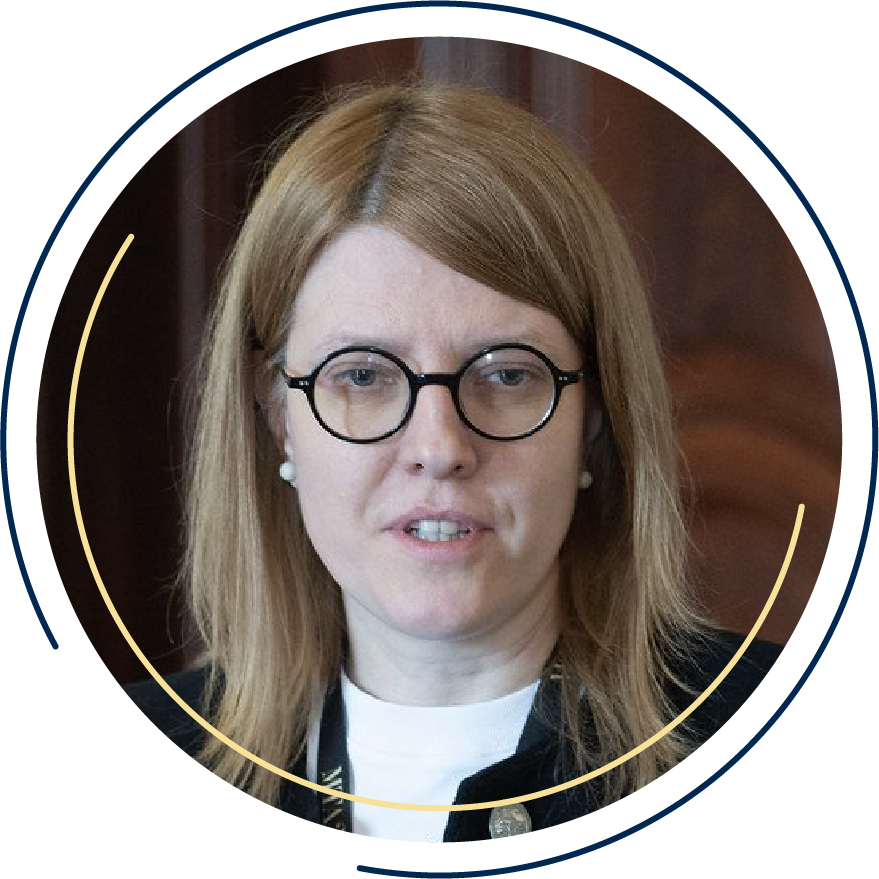
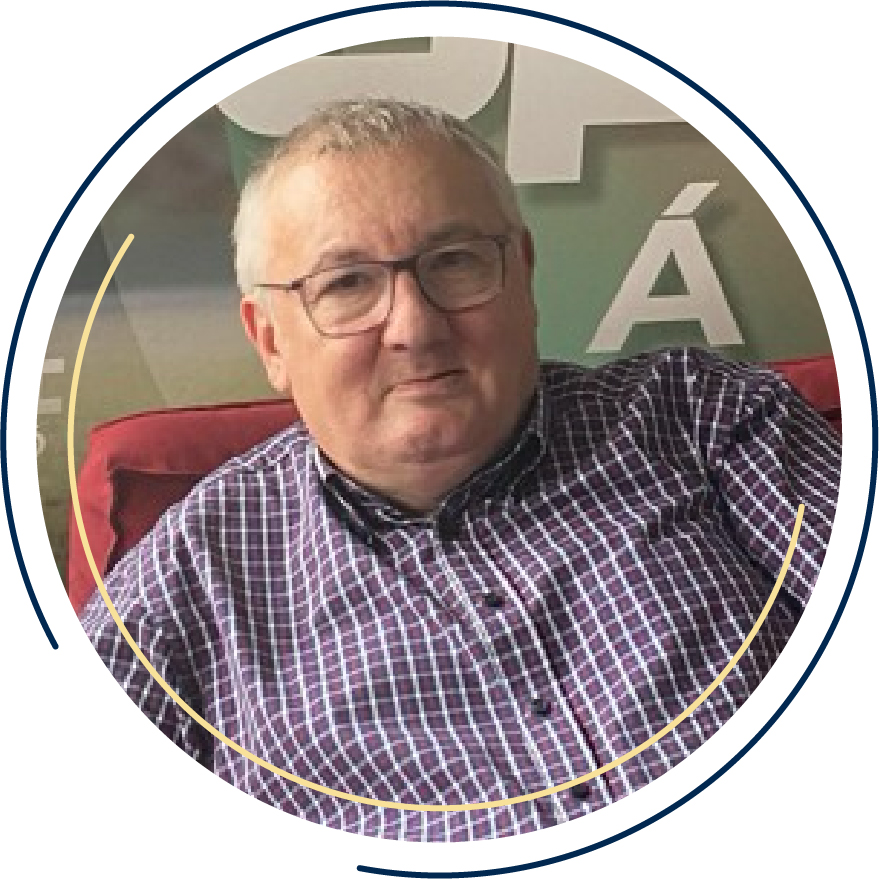
Our guest for the post-screening discussion are Dr. Tamás Dénes, journalist, football historian and broadcaster; as well as Dr. Tünde Morvai, minority studies researcher and head of department at the Secretariat for Hungarians Abroad of the Hungarian Academy of Sciences.


Dr. Morvai Tünde
             Dr. Tünde Morvai
Dr. Dénes Tamás
                 Dr. Tamás Dénes


Trailer: https://www.youtube.com/watch?v=bS-PKZhZi6A

Due to limited seating, ELTE university citizens can register for the event at eltenfi.filmklub@elte.hu.

The organisers welcome correspondence regarding the film club at the same email address.

ELTE–NFI Film Club Facebook page


Source/author of illustration:
National Film Institute

Mosaics from ELTE’s Heritage – July 2026

Artifact of the Month – The Bogen–Lipmann Cage

The Bogen–Lipmann cage, preserved in the collection of ELTE’s Faculty of Education and Psychology, came into the institution’s possession through Magda Ritoók, one of the leading figures in Hungarian psychological counseling. The device is associated with the work of German psychologist Otto Lipmann, who was a pioneer in applied psychology and career counseling.

The Bogen–Lipmann Cage (often referred to as the Bogen–Lippmann Cage) was a psychological testing tool used in the first half of the 20th century, primarily for career aptitude assessments. The purpose of the device was not only to measure test results but also to observe the thought and action processes that emerged during task performance.

The Bogen-Lipmann Cage presents a complex task that simultaneously assesses spatial-visual thinking, manual dexterity, problem-solving ability, and problem-solving strategy. The cage is an open wooden structure containing partitions and slanted deflectors that guide the movement of a wooden ball. The test subject’s task is to use wooden sticks of various shapes to guide the ball out of the maze. During the task, not only a successful solution was evaluated, but also the chosen strategy, the use of tools, and the approach to problem-solving. The Bogen–Lipmann cage allows for the observation of several skills that are important in numerous occupations requiring technical, craft-based, or precise manual work.  A distinctive feature of the test is that the emphasis is not solely on the final result, but also on the process of solving the task.

The Bogen–Lipmann cage also holds cultural-historical significance, as its namesake, Otto Lipmann, was a German psychologist of Jewish descent whose tragic life was shaped by the rise of National Socialism. A replica of the cage served as the starting point for contemporary artist Ádám Albert’s installation *Munkapróba / BLK 1* in the Ludwig Museum’s 2014 exhibition titled [silence] – A Holocaust Exhibition. Contemporary artist Ádám Albert’s installation simultaneously referenced the history of psychology and the tragic fate of Otto Lipmann, whose academic work was rendered impossible after 1933, leading him to commit suicide. The interactive work gave visitors the opportunity to experience old psychological testing methods firsthand, while the exhibition’s concept also raised questions of confinement, perseverance, and the preservation of intellectual heritage.


Text: Andrea Varga

Photo: Péter Tóth


Source:

Ritoók Pálné – Takács Márta (1967): Pályaválasztási szaktanácsadás. Kézikönyv pályaválasztási szakvizsgálatok elvégzéséhez. Budapest: Munkaügyi Minisztérium.

Albert Ádám: Munkapróba / BLK 1. – Ludwig Múzeum – Kortárs Művészeti Múzeum

Kisantal Tamás: Egy kiállítás, egy csend. Jelenkor (2014)

Source/author of illustration:
Tóth Péter